Affordable Hardscape Designs for Outdoor Beauty
Development to Maintenance: Learn the Extensive Selection of Grounds Services We Present
Landscaping offerings include a broad spectrum of solutions, from preliminary design ideas to ongoing maintenance. Each phase is crucial in creating and sustaining an outdoor space that aligns with individual tastes and ecological factors. By comprehending the procedure and alternatives at hand, homeowners can choose wisely that enhance both aesthetics and functionality. What particular features should one consider to ensure a successful landscape transformation?
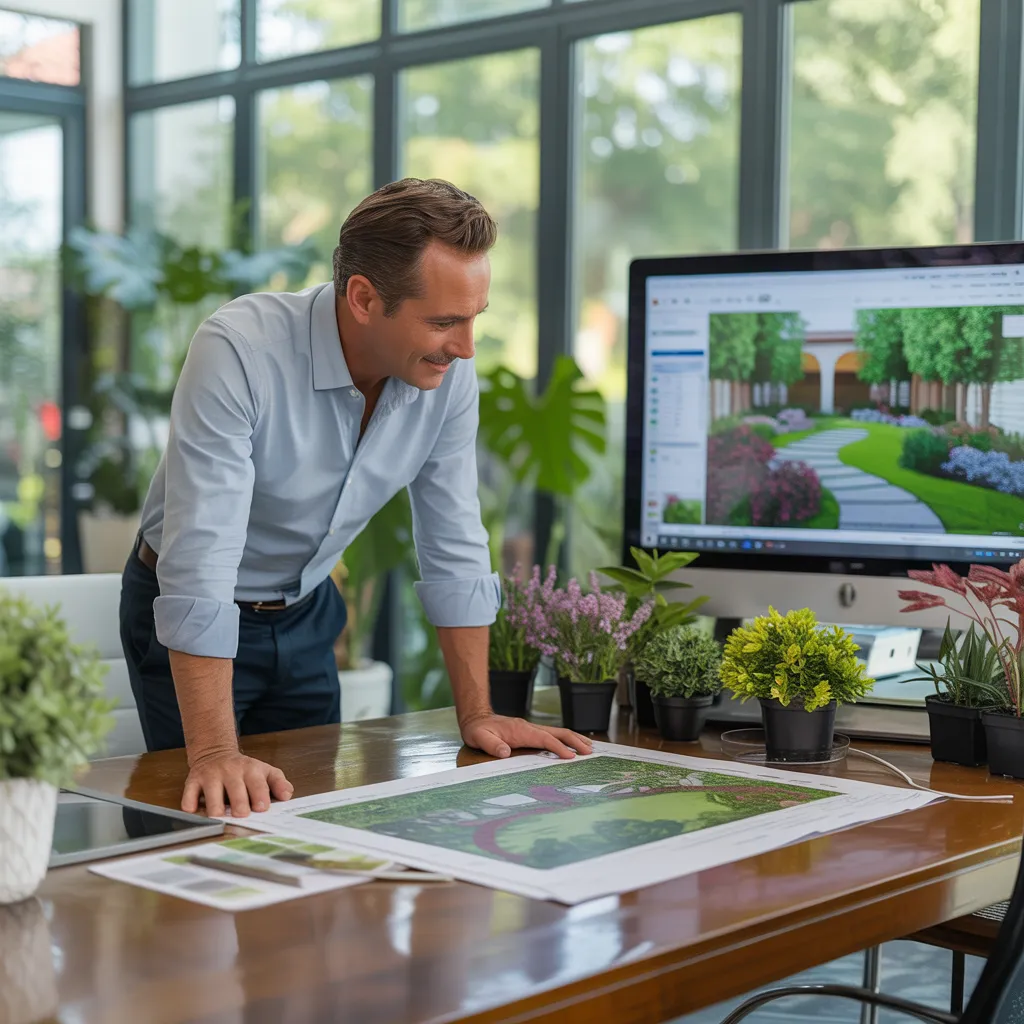
Guide for Developing Your Landscaping Concept
Outlining a landscaping vision is vital for producing an exterior zone that embodies distinctive taste and addresses practical needs. This initiative begins with evaluating the current setting, featuring soil quality, luminous exposure, and climate considerations. Recognizing these variables helps with selecting compatible vegetation and materials.
Next, people should consider their way of life and how they intend to utilize the space. Whether for hosting guests, gardening, or relaxation, these activities will determine design choices.
Visual direction can be derived from various sources, such as magazines, online platforms, or nature itself. Making a mood board can assist with clarifying what you prefer.
To conclude, setting a financial plan is important, as it shapes plant options, hardscaping alternatives, and design sophistication. By integrating these factors, people can create a clear outdoor vision that combines aesthetic charm with usefulness, creating opportunities for a successful landscape makeover.
Creating the Perfect Outdoor Layout
After a clear landscaping vision is established, the subsequent step involves developing the ideal landscape design. This initiative requires a combination of ingenuity and practical considerations. Successful landscape design begins by evaluating the site's special characteristics, such as topography, soil type, and sunlight exposure. These factors direct the layout, ensuring the design enhances the organic appeal of the environment.
A well-executed design combines multiple elements, including hardscaping features like patios and pathways, alongside softscaping components such as lawns and gardens. Careful placement of these components creates a harmonious flow, ushering visitors through the space. Additionally, attention to scale and proportion ensures that each element works well with the others, avoiding overcrowding or disparity.
In the final analysis, the framework should reflect the client's preferences while preserving operation. By methodically planning every element, a landscape design can metamorphose the exterior zone into a remarkable and welcoming place, positioned to be appreciated year-round.
Choosing Greenery That Grow Well in Your Local Weather
Identifying botanical specimens that succeed in a distinct climate requires a detailed understanding of temperature zones, which demonstrate which plant types can tolerate local weather conditions. Moreover, prioritizing native plants can enhance natural equilibrium and resilience in the outdoor space. Seasonal planting elements also play an essential function in ensuring long-term positive outcomes and health of the garden.
Comprehending Plant Resilience Designations
Comprehending plant hardiness zones is necessary for gardeners and landscapers hoping to cultivate plants that will succeed in their specific weather patterns. These zones, defined by the USDA, categorize areas based on typical lowest temperatures in winter. By knowing the hardiness zone of a place, people can select plants that are more likely to survive local climatic conditions. Each zone is assigned a number, with subdivisions showing small temperature fluctuations. For example, a plant intended for Zone 5 may not do well in Zone 4, where winters are harsher. Knowing these zones aids in making informed choices about plant choices, resulting in healthier landscapes and minimizing chances of plant failure. This knowledge eventually contributes to a more sustainable and vibrant garden or landscape.
Native Plant Choice
While many gardeners may be tempted to choose non-native species for their landscapes, opting for indigenous plants often yields superior outcomes. Indigenous species are adapted to local climates and soils, needing less water and maintenance compared to non-native varieties. They offer critical environments for local wildlife, promoting species diversity and environmental equilibrium. Selecting native species can also reduce insect problems, as these plants are inherently immune to local diseases. Additionally, incorporating native plants enhances the aesthetic appeal of a landscape by reflecting the region's natural beauty. Landscapers are encouraged to research the specific native plants appropriate to their area, guaranteeing a flourishing landscape that aligns with ecological responsibility. In the end, native plant selection establishes a harmonious and resilient landscape.
Learning seasonal cultivation needs helps ensure success
When organizing a garden, gardeners must consider the changing weather patterns that influence plant vitality. Selecting plants that thrive in particular climate zones ensures maximum health and lifespan. For instance, in warmer regions, drought-resistant plants may be preferred, while cooler climates benefit from hardy perennials that can withstand frost. Understanding local weather patterns, such as rainfall and temperature changes, helps in choosing the right species. Additionally, seasonal changes determine planting times; spring is ideal for many annuals, whereas fall can be perfect for certain perennials. By matching plant selection with local climate elements, gardeners can create vibrant, long-lasting landscapes that grow through all seasons, lowering maintenance efforts and improving the overall appeal of the garden.
Construct Your Ideal Outdoor Living Oasis
Establishing a dream backyard environment entails careful consideration of personalized design strategies that embody unique tastes. Practical exterior components, such as rest areas and grilling zones, improve usability while complementing the visual appeal. Altogether, these elements convert a landscape into a personalized retreat.
Customized Visual Answers
Tailored design methods give homeowners the opportunity to transform their outdoor spaces into personalized retreats. By considering individual preferences, lifestyles, and environmental factors, landscaping professionals produce unique designs that represent the homeowner's vision. These solutions cover various elements, such as plant selection, hardscaping, and layout adjustments, guaranteeing that each outdoor space is both aesthetically pleasing and functional. Through collaboration with clients, designers incorporate specific themes, colors, and materials, boosting the overall appeal. The goal is to form harmonious environments that blend naturally with the home while satisfying the homeowner's practical needs. Ultimately, tailored design solutions not only enhance the beauty of outdoor areas but also cultivate a sense of connection with nature, enriching everyday experiences.
Effective Outdoor Features
Practical outdoor features serve an important role in enhancing the practicality and enjoyment of outdoor living spaces. These elements, such as patios, decks, and outdoor kitchens, establish appealing areas for rest and entertaining. Including features like fire pits and water elements can deliver both visual appeal and useful advantages, letting homeowners appreciate their yards year-round. Furthermore, thoughtfully positioned seating and dining areas foster gatherings, while pathways and lighting enhance navigability and safety. Green options, like rain gardens and permeable paving, support environmental wellbeing. In summary, practical outdoor amenities convert a yard into a versatile space that addresses multiple requirements, assisting homeowners to maximize their outdoor experience while establishing a peaceful balance between nature and design.
What Methods Can Assist Your Landscaping Become More Green?
In what ways can residents reshape their outdoor spaces into eco-friendly landscapes? One sound approach is to plant native plants, which need less water and upkeep while assisting local wildlife. Using drought-resistant species can greatly reduce water consumption, making landscapes more sustainable.
Another method involves implementing rain gardens to handle stormwater runoff successfully, allowing rainwater to absorb into the ground rather than leading to environmental damage. Homeowners can also opt for organic fertilizers and pest control methods to minimize chemical application, encouraging a healthier ecosystem.
Using porous pavement solutions on pathways and driveways can boost water infiltration, minimizing erosion and runoff. Additionally, setting up composting systems facilitates waste recycling and improves ground condition.
Essential Year-Round Landscape Care
What essential responsibilities assure a landscape continues to be dynamic and vigorous throughout the year? Year-round landscape maintenance covers a assortment of significant activities that promote peak growth and aesthetics. Regular grass cutting makes certain that grass continues strong and at an ideal height, while seasonal essential guide fertilization delivers necessary nutrients. Cutting back shrubs and trees not only keeps their shape but also stimulates healthy growth and minimizes the risk of disease.
Weeding represents another important responsibility because it blocks struggle for inputs among plants. Mulching helps in maintaining soil moisture and suppresses weed growth, enhancing the overall appearance of garden beds. Additionally, seasonal checks of irrigation systems confirm efficient water use, preventing waste and supporting sustainability.
Redesigning Your Space: Impressive Before and After
A properly cared-for landscape creates the foundation for transformative changes that can improve any outdoor space. Landscaping services focus on revitalizing environments, presenting stunning before-and-after changes that inspire awe. These projects often begin with a comprehensive assessment of the existing landscape, highlighting spots needing work, such as excessive vegetation, aging paths, or insufficient lighting.
Once the plan is finalized, skilled professionals execute enhancements that may contain new plantings, ornamental elements, and functional installations like patios or outdoor kitchens. The results can be impressive: empty yards can transform into vibrant gardens, while bland pathways can be converted into welcoming pathways.
Photographs capturing these changes highlight the success of expert landscaping. The stark contrast between the initial state and the completed work stresses not only visual beauty but also the increased value of the property. Ultimately, a gorgeously renovated landscape can create a welcoming atmosphere, enhancing the complete enjoyment of outdoor living.

Often Posed Questions
What Is the Common Cost for Outdoor Design Assistance?
The typical price for lawn care services typically ranges from $1,500 to $5,000, depending on elements like project size, complexity, and materials used. Property owners frequently find fluctuating costs based on market conditions
What duration is Standard for a Landscaping Project?
A landscape design undertaking typically requires one to four weeks, depending on elements like project size, complexity, weather conditions, and the specific services required. Careful preparation can help optimize the timeline efficiently.
Do You Offer Seasonal Landscape Design Services?
Indeed, seasonal landscape care options are available, encompassing spring clean-ups, summer maintenance, autumn leaf removal, and winter preparations. These offerings promise landscapes remain robust and attractive throughout the changing seasons, addressing specific seasonal needs effectively.
Should I Upkeep My Yard Myself Following Completion?
Yes, keeping a landscape by yourself after installation is possible. However, it demands familiarity with correct techniques, equipment, and seasonal care to ensure the landscape stays robust and visually appealing over time.
What Tools Do You Use for Lawn Care Projects?
Landscaping ventures typically call for gear such as lawnmowers, trimmers, blowers, shovels, rakes, and various power tools. Larger ventures may also use excavators and trucks for transporting materials, maximizing efficiency and precision in the work.